Trades

Interior Demolition
Chicago

Full gut demolition and selective interior demo for Chicago renovations and new construction. Clean, controlled, and coordinated with what comes next.

  • Gut and selective demo by our own crews
  • Hazmat testing and abatement coordinated first
  • What stays is protected; what goes is hauled away
  • Free site visit and a written, line-item bid
  • Chicago-based, in-house crews
  • Licensed, bonded & insured in IL
  • 1-year written workmanship warranty

Get your free estimate

Demolition · Same-day response. No obligation.

Phone or email (one is enough)

Rather talk? Call or text (773) 457-2007

What We Do

Interior Demolition
in Chicago

Demolition sets the pace and condition of every project that follows. A sloppy demo damages what should be kept, leaves debris that slows other trades, and creates discovery issues that blow up budgets. Our demo crews work deliberately — protecting adjacent structure, sequencing removal correctly, and leaving the space clean and ready for the next phase.

We perform full gut demolition for Chicago gut rehabs and multifamily renovations, and selective demolition for projects where specific elements are being removed while others are preserved. We coordinate hazardous material testing and abatement when lead or asbestos is present, which is common in Chicago's older housing stock.

Demo is also where surprises get found — hidden structural issues, deteriorated framing, unexpected utilities. We document and communicate everything we find so your project team can make decisions before the crew moves on.

Scope of Work

What Makes Demolition Done Right

Good demo is controlled, not fast and loose. Here’s what we build into every tear-out.

Pre-Demo Survey

We walk the space and mark what stays, what goes, and what needs protection before anything comes out.

Utilities Disconnected

Power, water, and gas confirmed off and capped by licensed trades before demolition begins.

Hazmat Tested First

Lead and asbestos testing coordinated in older homes, with abatement done before demo proceeds.

Finishes Protected

Floors, stairs, and rooms that stay are covered and protected along the path debris travels.

Dust Contained

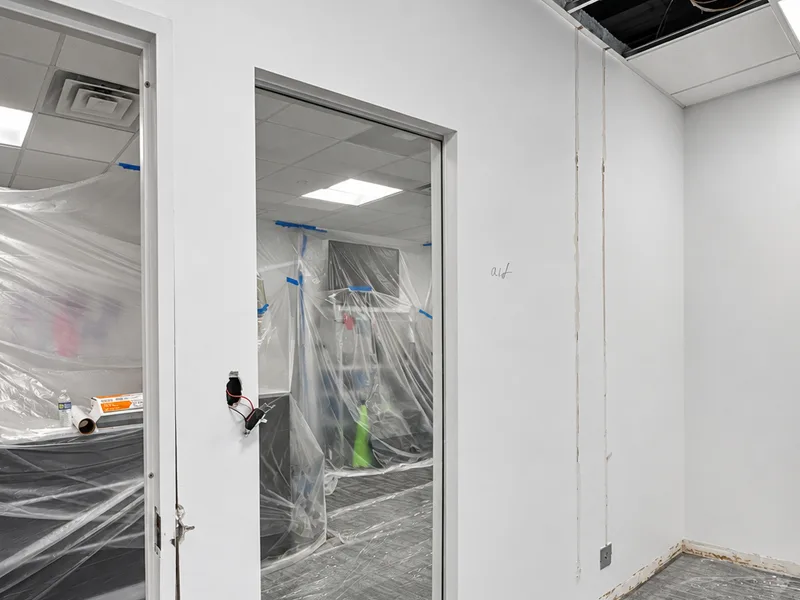
Work areas sealed off with dust barriers, so dust stays in the space being demolished.

Right Sequence

Top down and inside out, so nothing falls on finished work and the structure stays stable.

Structure Protected

Load-bearing walls and framing protected, with shoring in place before structural openings are cut.

Salvage Kept

Doors, trim, fixtures, and materials you want to keep removed carefully and set aside.

Dumpsters & Permits

Dumpster placement and street-use permits handled, with containers swapped before they overflow.

Daily Cleanup

Debris hauled out as we go and the site swept clean at the end of each day.

Discoveries Documented

Hidden structural issues, rot, and unexpected utilities photographed and reported to your team right away.

Ready for the Next Trade

The space left clear and swept, down to what the framers, plumbers, and electricians need.

How Much Comes Out

Gut vs Selective Demolition

The first question on any renovation is what stays. A gut takes the space to the structure; selective demo removes only what the new design replaces.

Down to the structure

Gut Demolition

A gut demo removes all drywall, flooring, cabinetry, fixtures, and finishes down to the framing, so the rebuild starts from the structure with every wall and system open.

It is the right call for full gut rehabs, multifamily renovations, and commercial strip-outs — and it is where hidden problems in older Chicago buildings get found and fixed instead of covered up again.

Best for

  • Gut rehabs and whole-house renovations
  • Multifamily unit renovations
  • Commercial strip-outs
  • All-new systems and layouts
  • Every wall opened
  • Faster per square foot

Only what’s being replaced

Selective Demolition

Selective demolition removes specific elements while preserving others — taking out a wall while keeping the ceiling and floor intact, removing bathroom tile while protecting the hallway, or opening a structural wall without disturbing the framing around it.

It takes more care and planning than a gut, with more protection and slower, controlled removal, but it is the right approach for kitchens, baths, and layout changes in homes and buildings that are otherwise staying.

Best for

  • Kitchen and bathroom remodels
  • Removing or opening walls
  • Occupied homes and buildings
  • Historic details preserved
  • Phased commercial work
  • Less disruption

Not sure how far to go? We walk the space with you and mark what stays and what goes before any work begins.

Get a demo bid
Scope

What We Demolish

From one wall to a full building, removed cleanly and hauled away.

  • Room demo

    Kitchens

    Cabinets, counters, backsplash, flooring, and drywall removed, with salvage set aside if wanted.

    Where we use it

    • Kitchen remodels
    • Gut rehabs
    • Unit turns
  • Room demo

    Bathrooms

    Tile, tubs, vanities, and fixtures removed down to the studs and subfloor.

    Where we use it

    • Bath remodels
    • Gut rehabs
    • Condos
  • Structural

    Walls & Openings

    Partition walls removed and load-bearing openings cut with shoring, ready for the new header or beam.

    Where we use it

    • Open floor plans
    • New doorways
    • Layout changes
  • Overhead

    Ceilings

    Drywall, plaster, and grid ceilings taken down with protection below and debris contained.

    Where we use it

    • Renovations
    • Ceiling height changes
    • Commercial suites
  • Floors

    Flooring & Tile

    Carpet, hardwood, vinyl, and tile removed, with the subfloor cleaned and ready for new flooring.

    Where we use it

    • Flooring replacement
    • Kitchens
    • Basements
  • Older homes

    Plaster & Lath

    Old plaster and lath removed in greystones and two-flats, with dust contained and debris hauled.

    Where we use it

    • Greystones
    • Two-flats
    • Vintage homes
  • Salvage

    Cabinets & Built-Ins

    Cabinetry and built-ins removed carefully when they are being saved, reused, or donated.

    Where we use it

    • Kitchens
    • Libraries
    • Mudrooms
  • Concrete

    Concrete Cutting & Breaking

    Concrete saw-cut and broken out for plumbing trenches, new openings, and slab work.

    Where we use it

    • Basements
    • Plumbing trenches
    • Commercial floors
  • Commercial

    Commercial Strip-Outs

    Office, retail, and restaurant interiors stripped back to the shell, phased around the building.

    Where we use it

    • Office suites
    • Retail spaces
    • Restaurants
Safety & Site Control

How We Keep Demo Under Control

Demolition is the loudest, dustiest phase of a project. These are the steps that keep it safe for the building and the people around it.

  • Before demo

    Hazmat Testing

    Lead and asbestos testing coordinated for older buildings, especially those built before 1980.

    Where we use it

    • Older homes
    • Vintage buildings
    • Commercial spaces
  • If found

    Licensed Abatement

    Asbestos and lead abatement scheduled with licensed abatement contractors and completed before demolition proceeds.

    Where we use it

    • Floor tile
    • Pipe insulation
    • Lead paint
  • Before demo

    Utility Disconnects

    Power, water, and gas disconnected and capped by licensed trades, so nothing live is cut.

    Where we use it

    • Kitchens
    • Bathrooms
    • Full guts
  • Containment

    Dust Containment

    Dust barriers and sealed doorways that keep dust inside the work area.

    Where we use it

    • Occupied homes
    • Offices
    • Multi-unit buildings
  • Protection

    Floor & Finish Protection

    Protection on floors, stairs, and finishes along the path debris travels out of the building.

    Where we use it

    • Stairs
    • Hallways
    • Lobbies
  • Structure

    Shoring

    Temporary supports in place before load-bearing walls and openings are removed.

    Where we use it

    • Wall removal
    • New openings
    • Structural work
  • Logistics

    Dumpsters & Street Permits

    Dumpster placement, swaps, and City of Chicago street-use permits handled when needed.

    Where we use it

    • City lots
    • Alleys
    • Street parking
  • Housekeeping

    Daily Debris Removal

    Debris hauled out as we go, with the site swept clean at the end of each day.

    Where we use it

    • Every job
    • Occupied buildings
    • Active sites
  • Documentation

    Discovery Reports

    Photos and notes on hidden conditions sent to your team before the crew moves on.

    Where we use it

    • Structural issues
    • Rot and damage
    • Old utilities

Working in an occupied building? We phase demo by area, contain dust, and schedule the loudest work for the building’s approved hours.

Get a demo bid
Pricing

What Does It Cost
in Chicago?

Transparent ranges based on recent Chicago projects. Your exact cost depends on scope, materials, and conditions.

Selective Demo
$1,500 – $8,000

Targeted removal of kitchen or bathroom, a specific wall or ceiling, or flooring throughout. Clean, debris removed, area ready for new work.

Single-Unit Gut Demo
$8,000 – $20,000

Full interior demolition of a single-family home or apartment unit down to the framing. Includes debris removal and site preparation for rebuild.

Most common scope
Multi-Unit / Building Demo
$20,000+

Phased or full gut demolition for multifamily buildings, commercial spaces, or new construction site clearing. Sequenced to your construction schedule.

Free Estimate: Every project starts with a free on-site consultation and written estimate. No obligation, no pressure. We'll tell you exactly what your project costs before you commit.

How It Works

Our Process

01/ 06

Pre-Demo Survey

Same-day reply

We walk the space and mark what stays, what goes, and what needs protection.

Construction Glossary

Terms You’ll Hear on This Project

Browse the glossary
Common Questions

Frequently
Asked Questions

Most clients have the same questions before starting. Here are straightforward answers — no hedging.

Still have questions? Let's talk

Homes built before 1980 in Chicago should be tested for asbestos-containing materials — particularly floor tiles, pipe insulation, drywall joint compound, and roof materials — before interior demolition. If asbestos is found, licensed abatement is required before demo proceeds. We coordinate testing and abatement as part of our pre-demolition process.

Get a Bid

Ready to Start Your Demolition?

Tell us a little about the project. We’ll set up a free walkthrough and send a written, line-item bid.

Or call/text (773) 457-2007
  • Licensed, bonded & insured in IL
  • 1-year written workmanship warranty

Get your free estimate

Demolition · Same-day response. No obligation.

Phone or email (one is enough)

Rather talk? Call or text (773) 457-2007